
Wall Mirrorsasymmetric mirrorwavy mirrorsarched mirrorsWooden MirrorsUpholstered Mirrorsfull length mirrorsluxury mirrorsdecorative mirrorsLED mirrorsMirrorsprinted frame mirrorsfrench window mirrorFrameless Mirrors
Wall Mirrors

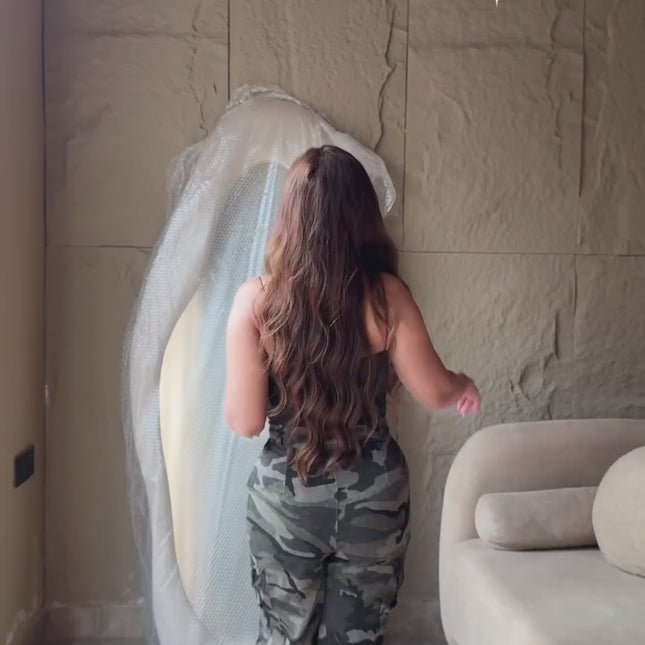
Modern Wavy Edge Full Length Standing Mirror-Large Sized Aesthetic Unique Stylish Mirror for Bedroom
Rs. 7,499.00 - Rs. 14,999.00


Urban Arch Metal Frame Full Length Bedroom Floor Mirror- without stand
Rs. 8,799.00 - Rs. 12,999.00


Bonita Irregular Full Length Mirror - Curved Frameless Wall Mounted Mirror for Aesthetic Home Decor, Bedroom Gift
Rs. 3,149.10 - Rs. 14,039.48


ArcVista Iron Window Pane Mirror | Simple Modern Arched Mirror with Metal Frame | Versatile Wall & Floor Placement
Rs. 9,187.00 - Rs. 20,600.00


Wavy Symphony Upholstered Full-Length Bedroom Mirror- Modern Wavy Irregular Arched Mirror
Rs. 8,849.41 - Rs. 18,999.00


Cali Irregular Full Length Mirror - Curved Frameless Wall Mounted Mirror for Aesthetic Home Decor, Bedroom Gift
Rs. 3,499.00 - Rs. 13,999.00

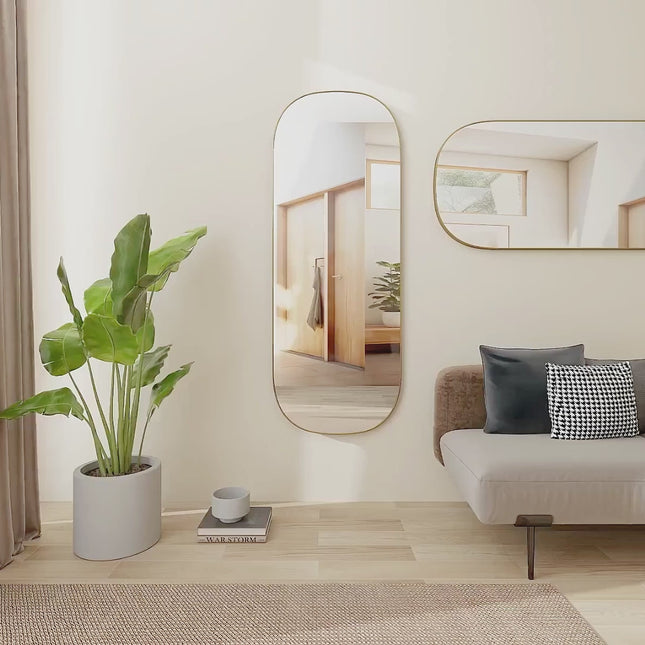
Capsule Elegance Full-Length Large Rounded Metal Mirror for Bedroom
Rs. 3,919.72 - Rs. 18,479.00


Ovela Frameless HD Mirror – Irregular Unique Full-Length Statement Piece for Living Room, Hallway & Lounge
Rs. 4,999.00 - Rs. 14,399.00


Elegant Quad Marvel Curved Rectangle Full Length Large Standing Mirror for Bedroom
Rs. 4,399.00 - Rs. 21,999.00


Velvet Wave Irregular Wall Mirror - Upholstered Suede Velvet Frame, Asymmetric Full-Length Body Mirror for Modern Home Decor
Rs. 8,999.00 - Rs. 16,999.00


Vegas Curve Asymmetrical Wall Mirror - Large Custom Mirror with Aesthetic Design
Rs. 5,519.00 - Rs. 21,999.00

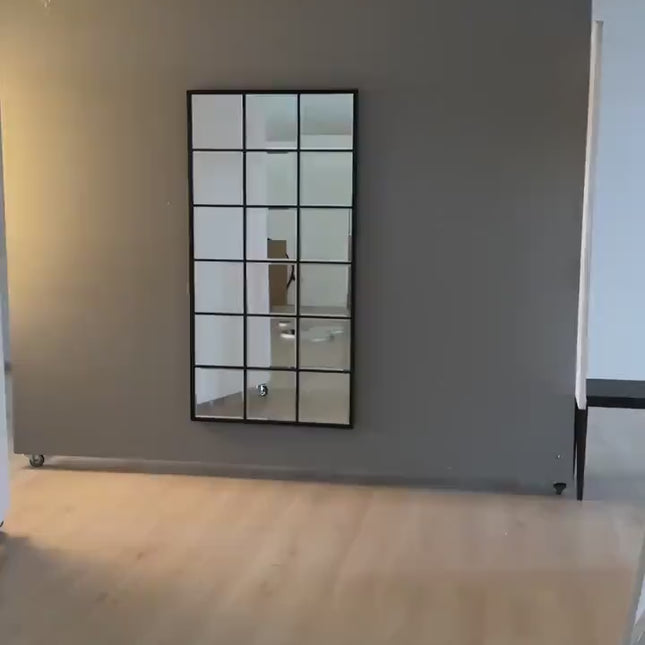
PanePerfection Window-Style Metal Frame Grid Style Full-Length Mirror for Foyer, Bedroom or Balcony
Rs. 4,949.55 - Rs. 31,999.00


Soft Sculpt Boucle Full Length Dressing Mirror - Upholstered Modern Unique Standing Mirror for Bedroom
Rs. 8,679.38 - Rs. 16,169.51


SuedeWrap Luxe Arched Full-Length Upholstered Standing Mirror for Bedroom
Rs. 9,999.00 - Rs. 17,999.00


SlimCapsule Reflection – Capsule-Shaped Long Full-Length Mirror for Bedroom, Hotel Room or Living Room
Rs. 3,869.57 - Rs. 15,539.58


Moroccan Elegance Aluminium-Framed Arched Full-Length Wall Mirror for Bedroom and Dressing Area
Rs. 5,759.00 - Rs. 16,999.00


Vara Frameless HD Mirror Irregular Wall Mirror with Wavy Silhouette for Bathroom, Living Room & Entryway
Rs. 4,999.00 - Rs. 10,999.00


Ella Organic Teak Wood Accent Mirror – Sculptural Wall & Console Mirror
Rs. 37,989.00 Rs. 19,999.00


LusterArc- Arched Top Wide Metal Framed Window Style Mirror for Console or Dining Table Wall
Rs. 9,999.00 - Rs. 22,999.00


UrbanPane Large Industrial Metal Framed Mirror - French Window-Style Rectangle Mirror Design for Modern Home Decor
Rs. 6,749.10 - Rs. 29,999.00


Angela Frameless Asymmetrical Irregular LED Wall Mirror – Front or Back Lit Vanity Mirror for Bathroom & Powder Room
Rs. 5,499.00 - Rs. 21,499.00


Timeless Ellipse Frameless HD Mirror – Modern Oval Wall Mirror for Living Room, Entryway & Bedroom
Rs. 4,999.00 - Rs. 8,999.00


Woodland Wave Full Length Wooden Floor Mirror- Asymmetric Irregular Shaped Mirror
Rs. 8,999.00 - Rs. 21,999.00


June Teak Wood Wall Mirror – Sleek Vertical & Horizontal Mirror for Entryway, Living Room & Bedroom
Rs. 37,889.00 Rs. 21,899.00


Classic Roman Arched Window Mirror – Full-Length Mirror for Living Room, Bedroom, and Entryway Decor
Rs. 6,791.95 - Rs. 19,999.00


Victorian Scallop Frameless HD Mirror – Wavy Wall Mirror for Living Room, Entryway & Bedroom
Rs. 6,999.00 - Rs. 10,999.00


Aqua Droplet Frameless HD Mirror – Contemporary Waterdrop Wall Mirror for Living Room, Bathroom & Entryway
Rs. 4,799.00 - Rs. 10,999.00


Caro Frameless HD Mirror – Minimalist Rounded Rectangle Wall Mirror for Vanity, Bathroom & Entryway
Rs. 4,999.00 - Rs. 10,999.00


Aeris Frameless HD Mirror – Full-Length Arched Floor Mirror Leaning or Standing Design for Bedroom, Living Room & Dressing Areas
Rs. 4,028.88 - Rs. 9,999.00


Zylo Frameless HD Mirror – Wavy Full-Length Wall Mirror for Bedroom, Dressing Room & Hallway
Rs. 4,999.00 - Rs. 14,399.00


Medina Moroccan Full Length Floor Mirror – Bohemian Style Mirror for Bedroom
Rs. 10,888.00 - Rs. 14,958.00


Ruby Arched Layered Wood Wall Mirror – Elegant Full-Length Mirror for Entryway & Living Room
Rs. 49,899.00 Rs. 26,899.00


Nahla Raindrop Frameless HD Mirror – Modern Organic Wall Mirror Minimalist Decorative Art Piece
Rs. 4,999.00 - Rs. 10,999.00


Mira Drop Frameless HD Mirror – Modern Raindrop Wall Mirror for Living Room, Bathroom & Bedroom
Rs. 4,999.00 - Rs. 10,999.00


Nira Wave Frameless HD Mirror – Wavy Round Wall Mirror for Living Room & Bedroom Handmade Decorative Accent & Housewarming Gift
Rs. 4,999.00 - Rs. 8,999.00


Remi Frameless HD Mirror – Abstract Pond-Shaped Wall Mirror for Bathroom, Living Room & Entryway
Rs. 4,999.00 - Rs. 10,999.00


Arna Frameless HD Mirror – Vertical Pill-Shaped Elegant Decorative Mirror for Modern Homes
Rs. 4,999.00 - Rs. 10,999.00


Lyra Frameless HD Mirror – Wavy Asymmetrical Wall Mirror Irregular Organic Design
Rs. 4,999.00 - Rs. 10,999.00


Zari Frameless HD Mirror - Asymmetrical Wall Mirror Elegant Gift for Stylish Interiors
Rs. 4,899.00 - Rs. 9,999.00


Elixor Frameless HD Mirror Set of 2 - Asymmetrical Wall Mirror Sculptural Modern Design Custom Home Decor Gift
Rs. 4,999.00 - Rs. 14,399.00


Lunara Frameless HD Mirror – Asymmetrical Full-Length Floor Mirror for Bedroom & Bathroom
Rs. 4,999.00 - Rs. 14,399.00


Glowza Frameless HD Mirror – Oval Wall Mirror with Minimalist Silhouette for Modern Natural Decor
Rs. 4,899.00 - Rs. 9,999.00


Cambridge Classic Tufted Full-Length Rectangular Upholstered Mirror for Bedroom
Rs. 23,491.80 - Rs. 24,999.00


3 Piece French Window Style Metal Frame Mirror Set for Living Room Foyer or Balcony Wall Decor
Rs. 13,599.00 - Rs. 41,849.00


Asymmetry Twisted Timber Full-Length Mirror with Custom Wooden Frame
Rs. 6,399.56 - Rs. 24,999.00


SlimLine Capsule Shaped Slim Metal Frame Full Length Standing Mirror for Bedroom, Hotel room or Living Room
Rs. 2,999.00 - Rs. 10,579.54


Riva Wide Curve Frameless LED Vanity Mirror Available in Front or Back Lit for Double Vanity and Modern Interiors
Rs. 4,999.00 - Rs. 9,999.00


Discover our collection of custom sofas, dining tables, designer chairs, coffee tables, benches, mirrors and home décor, handcrafted in India and tailored to your style.
uber cool collabs ❤️
interior designer approved ✔️
See why India’s top interior designers trust Uber Decor for timeless design, quality craftsmanship, and personalized service.
Why Shop with Uber Decor?
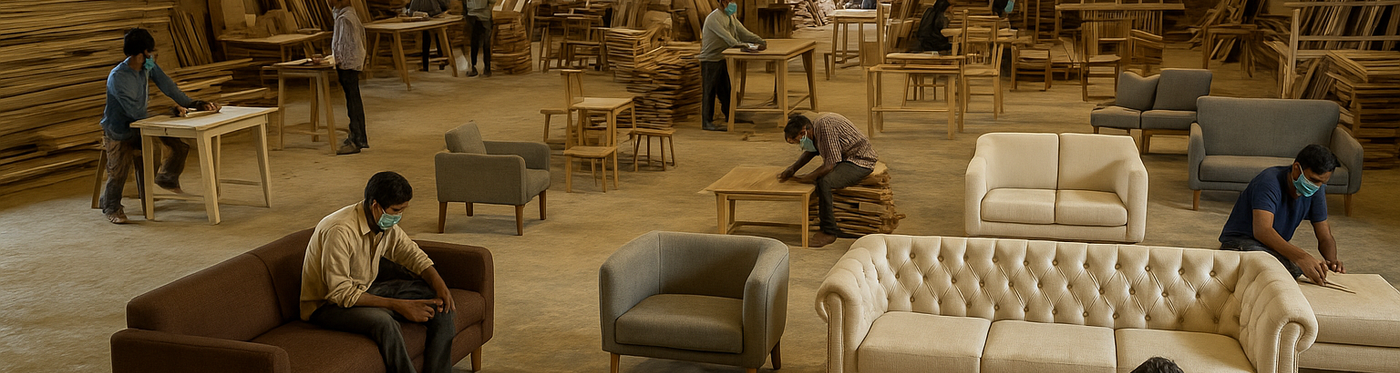
Not Mass-Produced. Handcrafted with Purpose, Precision, and Personality.
-

100% Made in India
Designed, sourced, and handcrafted entirely in India—celebrating local artisanship with global standards.
-

Transparent Pricing
What you see is what you pay—no middlemen, no markups, no surprises. Just honest value, delivered to your door.
-

Free Shipping Always
From metros to mountain towns—we deliver every order, anywhere in India, at no extra cost. Always.
-

5-Year Warranty
Built to last, backed with confidence. Every piece comes with a 5-year warranty for lasting peace of mind.
100% satisfaction guarantee
Great quality takes time to build
-
500+
Partnered Architects & Interior Designers
-
5000+
Ordered Delivered PAN India
-
98%
On-Time Custom Builds
-
70%
Returning Customer Rate
Wall Mirrors
Wall Mirrors — Purpose, Spatial Balance & Everyday Use
Wall mirrors are essential design elements that shape how interiors feel and function. Beyond reflection, they influence light movement, spatial perception, and visual harmony across rooms. Thoughtfully selected mirrors for wall placement help define surfaces, reduce visual emptiness, and create intentional focal points within living environments.
Unlike decorative accents, mirrors designed for wall installation are proportioned to integrate seamlessly with furniture, architectural lines, and circulation paths, ensuring they enhance rather than disrupt the space.
Enhancing Space with Scale & Proportion
The scale of a mirror significantly impacts how a room is perceived. A large wall mirror can visually widen interiors, while an extra large wall mirror helps balance expansive wall surfaces often found in living rooms or entryways. In spaces that require bold visual presence, an oversized wall mirror introduces depth without adding physical bulk.
These formats are especially effective in areas where natural light is limited, as reflective surfaces help distribute brightness more evenly.
Decorative Impact & Visual Identity
A decorative wall mirror adds character through shape, silhouette, and surface detailing. Sculptural forms allow mirrors to function as wall art, enhancing interiors even when not in use. For curated spaces, a designer wall mirror emphasizes proportion and refinement, contributing to a more intentional design narrative.
Contemporary interiors often feature a modern wall mirror or contemporary wall mirror, both of which prioritize clean lines and restrained detailing for long-term aesthetic relevance.
Material Expression & Finish
Material choice influences both durability and style. A luxury wall mirror often focuses on precision finishing and refined edges, making it suitable for elevated interiors. Softer environments may incorporate wood or subtle framing, while sleek profiles complement modern furniture compositions.
For versatility, mirrors designed as a wall mirror for home use adapt easily across rooms without feeling stylistically restrictive.
Shape Selection & Interior Flow
Mirror shape plays a key role in visual rhythm. A round wall mirror introduces softness and balance, while an arched wall mirror adds vertical emphasis and gentle curvature to structured layouts. Linear forms such as a rectangular wall mirror align naturally with furniture and architectural elements.
For fluid compositions, an oval wall mirror helps soften rigid lines while maintaining visual clarity.
Room-Specific Placement Considerations
In shared spaces, wall mirrors for living room settings often act as central design features that anchor seating or console arrangements. Bedrooms benefit from wall mirrors for bedroom placement that supports daily routines while maintaining calm visual flow.
Transitional areas such as corridors and entryways are enhanced by wall mirrors for hallway use, where reflection helps brighten narrow passages and improve spatial continuity.
Styling for Compact Interiors
In limited layouts, wall mirrors for small spaces help reduce visual confinement by reflecting light and surroundings. Strategic placement can make compact rooms feel more open without altering furniture arrangements.
Design-led options like a statement wall mirror for living room or an accent wall mirror for home decor allow impact without overcrowding the space.
Functional Placement & Design Pairings
Placement above furniture creates visual structure. A wall mirror above console table helps define entry zones, while a wall mirror above sideboard balances wider furniture pieces in dining or living spaces. For contemporary styling, a wall mirror with metal frame introduces subtle contrast and architectural clarity.
Global Mirror Design & Interior Inspiration-
Architectural Digest – Luxury interiors & mirror styling
https://www.architecturaldigest.com/ -
Dezeen – Contemporary architecture, interiors & product design
https://www.dezeen.com/ -
Elle Decor – High-end home decor trends and mirror ideas
https://www.elledecor.com/
Featured Wall Mirror Designs
Aqua Droplet Frameless Mirror — fluid silhouette inspired by organic forms
https://uberdecor.in/products/aqua-droplet-frameless-hd-mirror-contemporary-waterdrop-wall-mirror-for-living-room-bathroom-entrywayVictorian Scallop Frameless Mirror — wavy profile for expressive wall styling
https://uberdecor.in/products/victorian-scallop-frameless-hd-mirror-wavy-wall-mirror-for-living-room-entryway-bedroomNahla Raindrop Frameless Mirror — organic design with minimalist appeal
https://uberdecor.in/products/nahla-raindrop-frameless-hd-mirror-modern-organic-wall-mirror-minimalist-decorative-art-pieceTimeless Ellipse Frameless Mirror — refined oval form for modern interiors
https://uberdecor.in/products/timeless-ellipse-frameless-hd-mirror-modern-oval-wall-mirror-for-living-room-entryway-bedroom


